

The best bank bonuses heading into September 2026 could put anywhere from $125 to $3,000 in your pocket just for opening a new account and meeting a few requirements. Chase, Wells Fargo, Huntington, Citi, and several other major banks have been running aggressive sign-up promotions throughout 2026, and while September-specific deals typically get announced in late August, the current landscape gives us a strong read on what to expect. For example, the Chase Total Checking and Savings combo has been offering up to $900 in combined bonuses for much of the year, and that kind of offer tends to persist or return in some form month after month.
Since banks release their monthly promotions on a rolling basis, usually one to two weeks before a new month begins, the September 2026 deals have not been officially announced as of this writing. But that does not mean you have to wait. Many of the best bonuses available right now remain open for weeks or months at a time, and some of the highest-value offers, like the Chase Private Client bonus worth up to $3,000, have been available in various forms throughout 2026. This article breaks down every major bank bonus currently on the table, what you need to qualify, the fine print that can cost you, and how to position yourself to grab the best September deals the moment they drop.
Table of Contents
- What Are the Best Bank Sign-Up Bonuses Available Right Now in 2026?
- How Do Savings Account Bonuses Compare to Checking Offers?
- What Requirements Do You Need to Meet for Bank Bonuses in September 2026?
- How to Stack Multiple Bank Bonuses for Maximum Value
- Tax Implications and Hidden Costs of Bank Bonuses
- Which Banks Offer the Best Bonuses for Smaller Deposits?
- What to Expect From Bank Bonuses in September 2026 and Beyond
- Conclusion
- Frequently Asked Questions
What Are the Best Bank Sign-Up Bonuses Available Right Now in 2026?
The checking account bonus space in 2026 has been unusually competitive. At the top end, Chase Private Client Checking is offering a tiered bonus that pays $1,000 for depositing $150,000 to $249,999, $2,000 for $250,000 to $499,999, and $3,000 for parking $500,000 or more in the account. Those numbers are not for everyone, obviously. But if you are sitting on a large sum in a low-yield account, that is essentially free money on top of whatever interest you earn. Fortune has reported that some premium and private banking tiers have pushed checking bonuses as high as $7,000 for a limited time during 2026, though those tend to be invite-only or region-specific. For most people, the sweet spot falls in the $200 to $600 range. The Chase Total Checking bonus of $400 requires just $1,000 in direct deposits, making it one of the more accessible offers. Huntington Platinum Perks Checking pays $600 if you bring in $25,000 or more in new funds within 90 days.
Citi has a two-tier structure that pays $325 with $3,000 in qualifying direct deposits or $450 if you can hit $6,000. And TD Bank Complete Checking offers $200 for a modest $500 minimum direct deposit, which is among the lowest bars to clear. The point is that there is a bonus for nearly every deposit level, and you do not need six figures to participate. Wells Fargo has been particularly aggressive. Their standard checking bonus pays $325 with $1,000 or more in qualifying direct deposits within 90 days. Their Premier Checking bonus jumps to $2,500, but it requires at least $250,000 in new funds within 45 days and had an expiration date of April 14, 2026. Whether that offer returns for September is uncertain, but Wells Fargo has a history of cycling premium bonuses back in. They also offer a Clear Access Banking bonus of $125, which is their entry-level option.
How Do Savings Account Bonuses Compare to Checking Offers?
Savings bonuses tend to be fewer in number but can still be worthwhile, especially when stacked with a checking bonus from the same bank. capital One 360 has been offering up to $1,500 in savings bonuses during 2026, which is one of the highest standalone savings offers on the market. Barclays has a tiered savings bonus that pays $200 when you deposit $30,000 or more. these are solid returns, but they come with the expectation that your money stays parked for a set period, often 90 days or longer. However, if you are chasing a savings bonus, pay close attention to the interest rate on the account itself. A $200 bonus on a savings account yielding 0.01 percent APY is a worse deal over 12 months than no bonus on a high-yield savings account paying 4 or 5 percent.
Always do the math on total return, not just the upfront bonus. The combined approach, pairing a checking bonus with a savings bonus at the same institution, is where the real value stacks up. TD Bank, for example, offers up to $500 across checking and savings when you open both. Chase’s $900 combo deal works the same way. One limitation worth noting: savings bonuses often require you to maintain the deposited balance for the entire qualifying period. If you dip below the threshold even briefly, some banks will disqualify you from the bonus entirely. Read the terms carefully before you move a large sum.
What Requirements Do You Need to Meet for Bank Bonuses in September 2026?
The single most common requirement across nearly all bank bonuses is direct deposit. Most banks want to see qualifying direct deposits land within 60 to 90 days of account opening. For Chase Total Checking, that means at least $1,000 in direct deposits. For Citi, it is $3,000 to $6,000 depending on the tier. For Wells Fargo’s standard checking offer, $1,000 or more within 90 days. The definition of “qualifying direct deposit” varies by bank. Payroll deposits and government payments almost always count. ACH transfers from another bank sometimes count, sometimes do not. If you plan to use the ACH workaround, search for recent data points from other customers before relying on it.
Beyond direct deposit, most banks also require that you are a new customer, meaning you have not held an account with them in the past 12 to 24 months. Chase’s standard window is 90 days for checking bonuses, but some offers extend the lookback to 24 months. Wells Fargo typically uses a 12-month window. Huntington requires you to bring in funds that are “new to Huntington,” so transferring money from one Huntington account to another will not qualify. These eligibility windows are the number one reason people miss out on bonuses they thought they qualified for. For premium bonuses in the $2,500 and above range, the deposit requirements jump dramatically. Wells Fargo Premier Checking required $250,000 in new funds within just 45 days. Chase Private Client’s top tier needs $500,000. These are not designed for average savers. They target people moving assets from one wealth management platform to another, and the banks are willing to pay handsomely for that relationship.

How to Stack Multiple Bank Bonuses for Maximum Value
One strategy that experienced bonus hunters use is opening accounts at multiple banks simultaneously, collecting several bonuses over the course of a few months. There is nothing preventing you from opening a Chase checking account, a Citi checking account, and a Huntington checking account in the same month, as long as you can meet the direct deposit and balance requirements for each. If you have a paycheck of $3,000 per pay period, you could split your direct deposit across two banks, sending $1,500 to each, and potentially satisfy the minimum requirements for both. The tradeoff is complexity. Juggling multiple new accounts means tracking different bonus timelines, fee waiver requirements, and minimum balance thresholds. Monthly maintenance fees can quietly eat into your bonus if you are not careful.
Chase Total Checking charges a $12 monthly fee unless you maintain a $1,500 daily balance, receive $500 or more in direct deposits, or keep $5,000 in linked deposits and investments. PNC, TD Bank, and Citi all have their own fee structures. If you open three accounts and forget to meet the waiver criteria on one, you could lose $144 in annual fees against a $200 bonus. The math still works in your favor if you stay organized. A conservative approach might net you $1,000 to $1,500 in combined bonuses across two or three banks over a quarter, with minimal risk. An aggressive approach, targeting four or five banks, could push that above $2,000, but the margin for error shrinks.
Tax Implications and Hidden Costs of Bank Bonuses
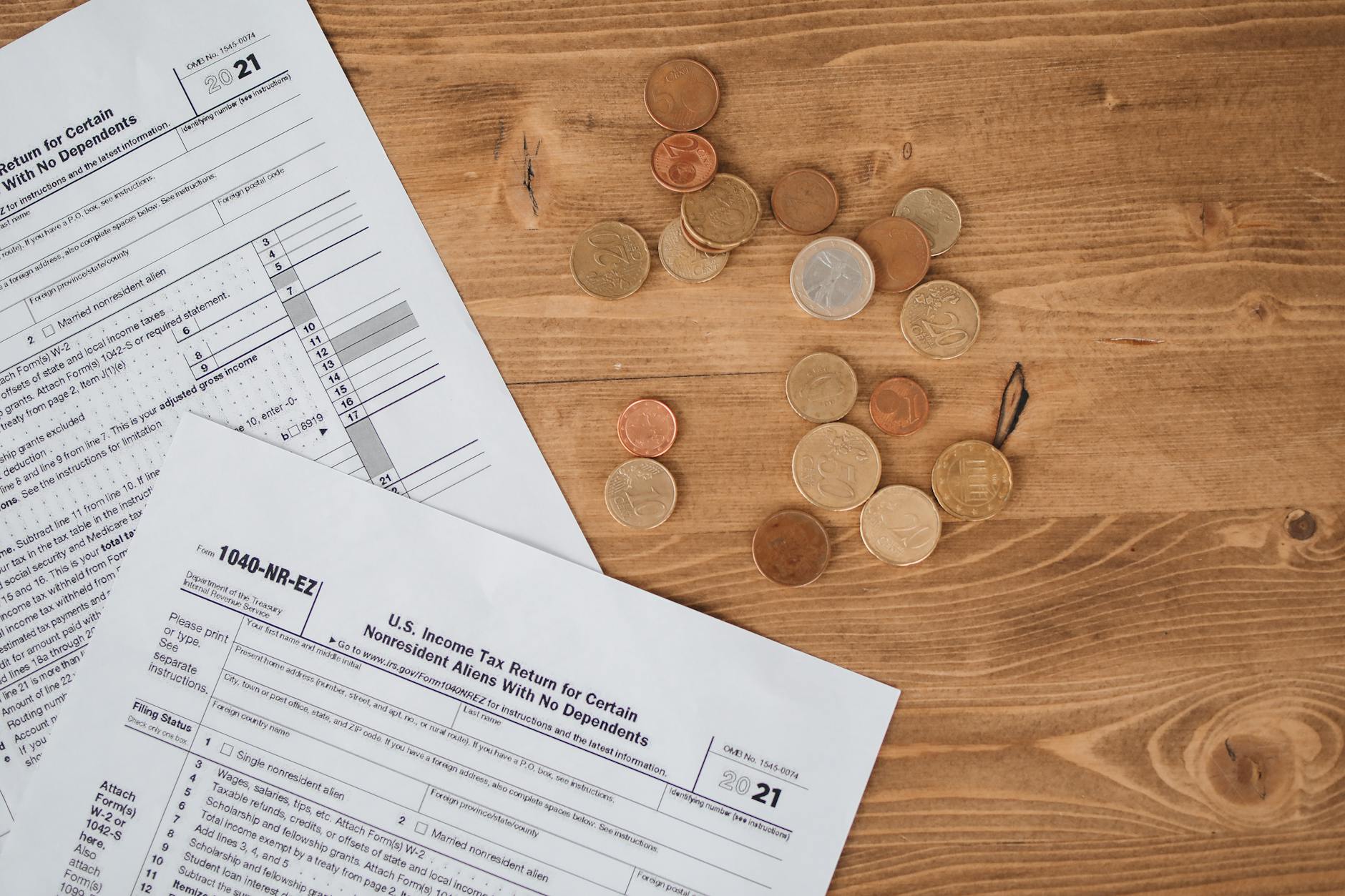
Bank bonuses are taxable income. This catches some people off guard. Banks report bonuses on a 1099-INT form, and the IRS treats them the same as interest income. A $400 Chase bonus is not $400 in your pocket after tax season. If you are in the 22 percent federal bracket and pay 5 percent state income tax, that $400 bonus nets you about $292 after taxes. The higher the bonus, the bigger the tax bite. A $3,000 Chase Private Client bonus could mean $700 or more in additional taxes owed the following April. Beyond taxes, watch for early account closure fees.
Many banks require you to keep the account open for a minimum period, typically six months, after receiving the bonus. Close it early and you may have to return the bonus or pay a termination fee. Wells Fargo, Chase, and Citi all have versions of this provision. There is also the soft inquiry versus hard inquiry question. Most bank account openings trigger a soft credit pull, which does not affect your credit score. But some banks, particularly if you are applying for a premium account or overdraft protection, may run a hard inquiry. ChexSystems inquiries are separate from credit bureau inquiries, and too many new account openings in a short window can trigger flags there as well. The bottom line is that bonuses are worth pursuing, but not blindly. Factor in the tax hit, any fees you might incur, and the opportunity cost of tying up funds in a low-interest account just to meet a balance requirement.
Which Banks Offer the Best Bonuses for Smaller Deposits?
Not everyone has $25,000 or $150,000 to park in a new account. For smaller depositors, the best value in 2026 comes from Chase Secure Banking at $125 with no minimum direct deposit, Wells Fargo Clear Access Banking at $125, and TD Bank Complete Checking at $200 with just a $500 minimum direct deposit. These three offers set the lowest bars in the industry, and they are genuinely accessible for someone living paycheck to paycheck or just getting started with bonus churning.
The Chase Secure Banking account is particularly notable because it has no overdraft fees and no minimum balance requirement, making it nearly impossible to lose money on the deal. You open the account, deposit your normal paycheck, collect $125, and keep using the account or close it after six months. It is about as close to risk-free as bank bonuses get.
What to Expect From Bank Bonuses in September 2026 and Beyond
Historically, bank bonuses tend to spike during two periods: the first quarter of the year, when banks are chasing annual acquisition targets, and the early fall, when they push for a strong finish to the fiscal year. September sits right in that fall window, which is why it has traditionally been a good month for new offers. Based on the 2026 landscape so far, where NerdWallet lists bonuses up to $3,000 across standard offers and Slickdeals reports combined checking and savings bonuses reaching $3,000, September should offer comparable or potentially higher promotions as banks compete for end-of-year deposits.
Check NerdWallet, Doctor of Credit, and Bankrate in late August 2026 for the most current September promotions. Doctor of Credit in particular tends to be the fastest to report new offers, often within hours of their release. If you are planning to act in September, start gathering the documents you will need now, including two forms of ID, proof of address, and your employer’s direct deposit form, so you can move quickly when the deals go live.
Conclusion
The bank bonus market in 2026 has been one of the most generous in recent memory, with offers ranging from $125 for basic checking accounts to $3,000 or more for premium and private banking relationships. Whether you are opening your first bank account or strategically rotating through institutions to capture multiple bonuses, the opportunities are real and substantial. The key is matching the right offer to your financial situation, meeting the requirements on time, and not letting monthly fees or tax obligations erode your gains.
For September 2026 specifically, keep your eyes on the major banks starting in mid-August. Set calendar reminders, bookmark Doctor of Credit and NerdWallet, and have your direct deposit information ready to update quickly. The best deals often have limited windows, and the difference between acting in the first week and waiting until the end of the month can be the difference between a $600 bonus and a $200 one.
Frequently Asked Questions
Are bank sign-up bonuses really free money?
They are real money, but not entirely free. You need to meet specific requirements like direct deposits or minimum balances, and the bonus is taxable income reported on a 1099-INT. After taxes and any potential fees, the net value is lower than the headline number.
Can I open multiple bank accounts to collect several bonuses at once?
Yes. There is no law or regulation preventing you from opening accounts at multiple banks simultaneously. The challenge is meeting the direct deposit and balance requirements for each account without triggering monthly maintenance fees.
How long do I need to keep a bank account open after receiving the bonus?
Most banks require you to keep the account open for at least six months after the bonus posts. Closing earlier can result in the bonus being clawed back or an early termination fee.
Do bank bonuses affect my credit score?
Most checking and savings account applications trigger only a soft inquiry, which does not affect your credit score. However, some banks may perform a hard inquiry for premium accounts or if you apply for overdraft protection. Multiple applications may also generate ChexSystems inquiries.
When will September 2026 bank bonuses be announced?
Banks typically release monthly promotions one to two weeks before the month begins. Expect September 2026 deals to start appearing in mid to late August 2026 on sites like NerdWallet, Doctor of Credit, and Bankrate.